
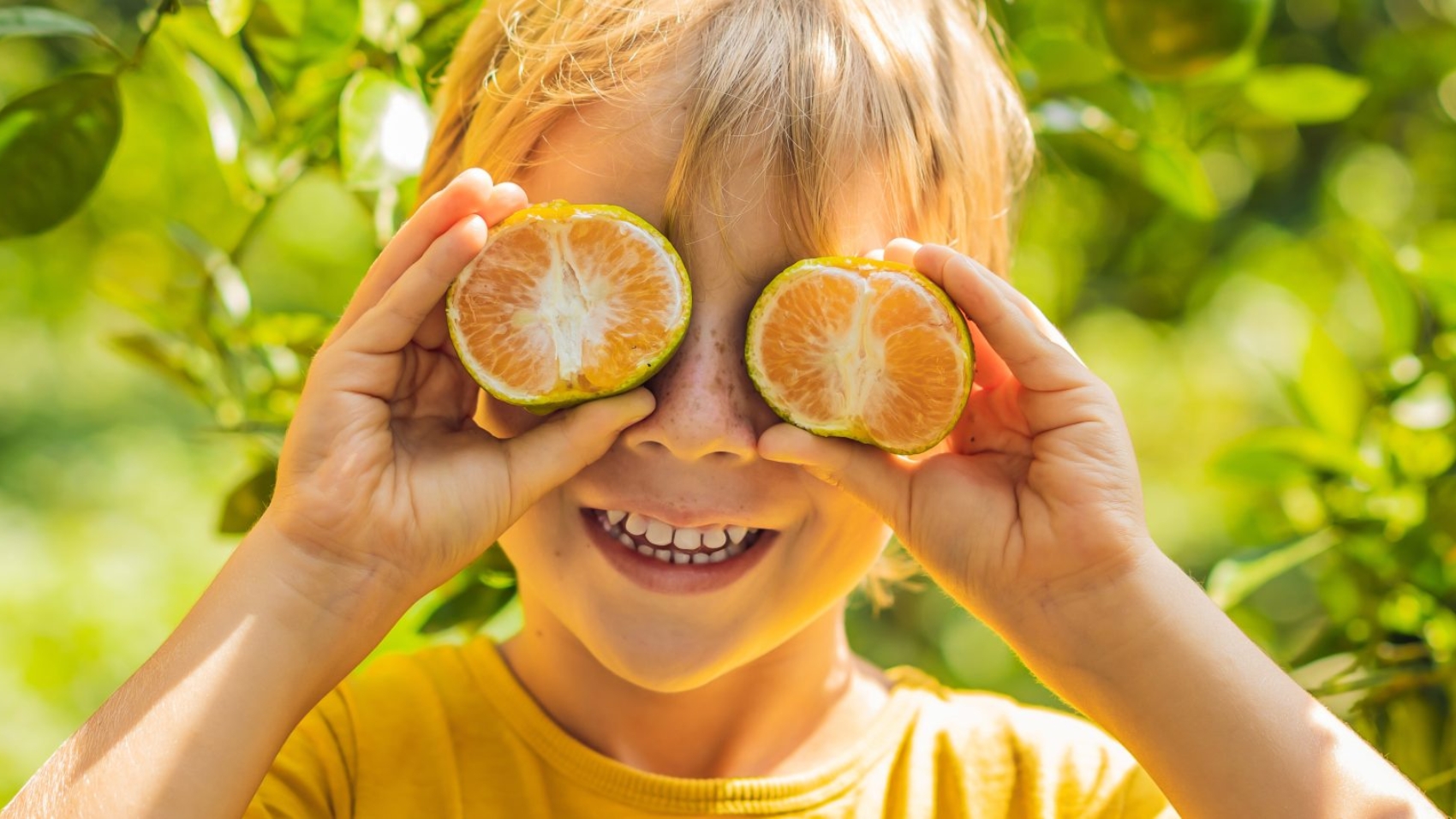
Healthy eating is about more than what ends up on a child's plate. It is also about curiosity, confidence, family routines, and creating a positive relationship with food. With busy schedules, selective eaters, and rising grocery costs, making nutritious meals a regular part of family life can feel like a challenge. But healthier habits do not require perfect meals or a complete kitchen makeover.
The most effective starting point is often a simple one: make nourishing foods accessible, invite children to participate, and allow them to explore new flavors at their own pace.
The habits children develop around food can influence their preferences and choices as they grow. By making mealtimes less stressful and more engaging, parents can help lay the groundwork for a lifetime of balanced eating.
A Healthy Start Begins at the Table
Childhood is a period of rapid growth and development. Nutrients from food support growing bones and muscles, brain development, immune function, and the energy children need to learn, play, and explore.
A varied eating pattern can provide essential vitamins, minerals, protein, fiber, healthy fats, and carbohydrates. When children consistently miss out on important nutrients, their growth and overall health may be affected. Establishing balanced eating habits early can help support their changing nutritional needs as they move through different stages of development.
Yet knowing what children need and getting them to eat it are two different things.
Many parents are familiar with the familiar mealtime routine: a new vegetable is rejected, a favorite meal is requested for the third night in a row, and everyone is too tired to negotiate another bite. Selective eating is common in childhood, and food preferences can change over time.
The good news is that familiarity can make a difference. Repeated, low-pressure exposure to different foods may gradually increase a child's willingness to try them. A food that receives a firm “no” today might become acceptable weeks or months later.
Instead of treating every meal as a test, think of it as another opportunity to explore.
Food Is More Than Fuel
Food provides the building blocks the body needs, but it also carries emotional, cultural, and social meaning. Family recipes, weekend breakfasts, seasonal produce, and meals shared around the table can become lasting parts of childhood.
A positive approach to nutrition focuses on nourishment rather than perfection. It encourages children to discover different tastes, recognize hunger and fullness, and understand that a balanced diet can include both everyday nutritious foods and occasional treats.
Start With Small, Sustainable Changes
Parents do not need to replace every familiar meal with a completely new menu. Small adjustments are often easier to maintain and less overwhelming for the whole family.
Try adding a side of fruit to breakfast, including another vegetable at dinner, or offering a new whole-grain option alongside a familiar favorite. You could also experiment with homemade versions of snacks your children already enjoy.
These small steps help nutritious choices become part of the family's normal routine rather than a temporary project.
It is equally important to avoid labeling foods or children's eating habits as “good” or “bad.” A flexible approach helps children learn about nutrition without associating food with guilt, shame, or unnecessary pressure.
Beyond the Kids' Menu: Make Familiar Foods More Interesting
Healthy meals do not have to be bland, complicated, or expensive. A little creativity can introduce new ingredients without making dinner feel unfamiliar.
Rather than preparing an entirely separate meal for children, consider serving a shared family meal with a few flexible components. For example, a rice bowl might include rice, vegetables, tofu or chicken, and a sauce that everyone can adjust to their liking.
The goal is not to force children to eat everything on the table. It is to give them opportunities to explore a range of foods while ensuring that there is something familiar available.
Five Easy Ways to Expand a Child's Food Preferences
01 — Give familiar meals a new twist.
Add beans to tacos, serve roasted vegetables alongside pasta, or offer a different fruit with a well-loved breakfast. Small changes can make new ingredients feel less intimidating.
02 — Explore plant-based proteins.
Tofu, lentils, chickpeas, and beans can provide protein and other valuable nutrients. Tofu, for example, can be grilled, baked, crumbled into sauces, or added to stir-fries and soups. Calcium content varies by tofu type, so check the label when that nutrient is a priority.
03 — Create colorful snack platters.
Arrange sliced cucumbers, carrots, peppers, fruit, cheese, or other family favorites on a shared plate. Offer dips such as hummus or yogurt-based sauces to make the experience more interactive.
04 — Blend ingredients when it makes sense.
Spinach, avocado, berries, or bananas can be incorporated into smoothies, soups, and sauces. These options can add variety, but they work best alongside opportunities for children to experience whole fruits and vegetables in their original forms, too.
05 — Keep experimenting without pressure.
A child may need many opportunities to become comfortable with a new food. Offer a small portion alongside familiar options, allow them to look, smell, touch, or taste it, and try again another day. There is no need to insist that they finish it.
Children's preferences are still developing. Patience and repeated exposure can be more productive than arguments at the dinner table.
Preparation Is the Secret Ingredient
One of the biggest obstacles to balanced eating is not a lack of knowledge—it is a lack of time.
After school, work, errands, and extracurricular activities, preparing a meal from scratch can feel unrealistic. A little planning ahead can make healthier options easier to reach when everyone is hungry.
Make Your Kitchen Work for You
Set aside a short period each week to prepare a few ingredients that can be used in different meals.
- Wash and cut fruit and vegetables for convenient snacks.
- Cook a batch of rice, quinoa, or another grain.
- Prepare beans or lentils for salads, wraps, and bowls.
- Keep easy protein options available, such as eggs, yogurt, tofu, or beans.
- Prepare a simple dip or sauce that makes vegetables more appealing.
- Portion ingredients so older children can assemble their own snacks.
You do not need to prepare an entire week's worth of meals. Even a few ready-to-use ingredients can reduce the pressure of making every meal from the beginning.
Store prepared foods safely, refrigerate perishable items promptly, and use them within appropriate food-safety time limits.
Planning can also help reduce waste. When you know which ingredients are already available, it becomes easier to build meals around what you have instead of purchasing unnecessary extras.
Let Children Into the Kitchen
Children are more likely to feel involved when they have a role in the process. Participating in food preparation can help them develop practical skills, learn about ingredients, and become more curious about what they eat.
Their involvement does not have to begin with chopping vegetables or using the stove. Even young children can contribute in simple, age-appropriate ways.
Turn Everyday Tasks Into Learning Opportunities
Shopping together
Invite children to choose a new fruit or vegetable at the grocery store or farmers' market. Talk about its color, texture, season, or where it grows. Giving them a choice can make an unfamiliar ingredient feel more approachable.
Planning the menu
Offer two or three balanced meal options and let children help decide which one the family will make. This provides a sense of ownership while keeping the choices manageable.
Cooking as a team
Younger children might wash produce, stir ingredients, tear lettuce, or arrange toppings. Older children can gradually learn more advanced skills with appropriate supervision.
Setting the table
Small responsibilities such as arranging plates, filling water glasses, or choosing a centerpiece help children contribute to the shared meal.
Growing something at home
Herbs in a windowsill pot or tomatoes in a garden can spark questions about how food grows. Even a small growing project can connect children with the ingredients they encounter on their plates.
These activities teach more than cooking. They encourage independence, cooperation, patience, and an understanding of how everyday choices contribute to family life.
Talk About Food With Curiosity, Not Fear
Children often want to know why certain foods are served, where ingredients come from, and what different nutrients do. These conversations can be simple and age-appropriate.
Explain that protein helps the body grow and repair tissues, calcium supports bones and teeth, and fruits and vegetables provide fiber and a range of vitamins and minerals. Avoid suggesting that any single food can make a child healthy or unhealthy on its own.
It can also be helpful to explore food traditions, seasonal ingredients, and the work involved in growing and preparing meals. These conversations make nutrition part of everyday learning rather than a list of rules.
Most importantly, let children ask questions and express their preferences. A child who feels heard may be more willing to remain curious about unfamiliar foods.
Family Meals: A Chance to Connect
The benefits of sharing meals extend beyond nutrition. Eating together can create a predictable moment in the day when family members reconnect, talk about their experiences, and enjoy one another's company.
Family meals do not need to be elaborate or happen every evening to be meaningful. A weekend breakfast, a shared lunch, or one regular dinner each week can provide a valuable opportunity to connect.
To make the experience more relaxed:
- Keep mealtimes as free from distractions as practical.
- Invite everyone to share something about their day.
- Let children participate in age-appropriate ways.
- Avoid turning the meal into a debate about how much someone has eaten.
- Respect hunger and fullness cues while continuing to offer a variety of foods.
Parents can help establish routines by modeling a relaxed, varied approach to eating themselves. Children observe how adults talk about food, respond to unfamiliar dishes, and handle meals when life gets busy.
The aim is not to create a picture-perfect dinner table. It is to build an environment where food, conversation, and connection can coexist.
Nutrition on a Budget: Make Every Ingredient Count
Eating well does not require premium ingredients or an entirely organic shopping cart. A nutritious family menu can include fresh, frozen, and canned foods, depending on availability, budget, and preference.
Frozen vegetables and fruit can be convenient alternatives to fresh produce, while canned beans provide an easy source of protein and fiber. When choosing canned products, compare labels for added salt or sugar where relevant.
A few practical strategies can help stretch the grocery budget:
Plan around what you already have. Check the refrigerator, freezer, and pantry before making a shopping list.
Choose versatile ingredients. Oats, eggs, beans, lentils, rice, seasonal produce, and frozen vegetables can be used in a range of meals.
Use leftovers creatively. Cooked vegetables can become part of a soup or omelet, while leftover grains can form the base of a lunch bowl.
Buy produce in season when practical. Seasonal options may offer better value, although prices vary by location and time of year.
Reduce avoidable waste. Freeze suitable ingredients before they spoil and use delicate produce earlier in the week.
Organic produce is a personal choice, not a requirement for a healthy diet. If you choose organic foods, consider your budget and priorities, but do not let the cost of organic products prevent you from buying fruits and vegetables altogether. Washing produce under running water can help remove dirt and some surface residues, though it does not eliminate all pesticide residues.
Supplements for Children: What Parents Should Know
Even with thoughtful meal planning, parents may wonder whether their children are getting enough of every nutrient. Supplements can be helpful in certain circumstances, but they are not automatically necessary for every child who eats selectively.
Nutritional needs vary according to age, growth, eating patterns, medical history, and other individual factors. A pediatrician or registered dietitian can help identify whether a supplement is appropriate and whether a deficiency needs to be assessed.
| Nutrient | Why it matters |
|---|---|
| Iron | Supports the production of hemoglobin, which carries oxygen in the blood, and plays an important role in brain development. |
| Zinc | Contributes to normal growth, immune function, and wound healing. |
| Magnesium | Supports muscle and nerve function, energy production, and bone health. |
| Vitamin D | Helps the body absorb calcium and supports bone development and normal immune function. |
| Vitamin A | Plays a role in vision, immune function, and normal growth and development. |
| Vitamin B12 | Supports nerve function and red blood cell formation. |
| Omega-3 fatty acids | Contribute to cell function and are important for normal brain and eye development. Evidence for supplements as a treatment for attention-related conditions remains mixed. |
| Fiber | Supports digestive health and helps maintain regular bowel movements. Children can generally obtain fiber through foods such as fruits, vegetables, whole grains, beans, and lentils. |
More is not always better. Excessive amounts of certain vitamins and minerals can be harmful, and some supplements may interact with medications. Iron supplements, in particular, can be dangerous if accidentally swallowed in large quantities by children.
Keep supplements out of children's reach and follow professional guidance on age-appropriate products and doses. If a child has a very limited diet, persistent feeding difficulties, poor growth, or symptoms that concern you, seek advice from a qualified healthcare professional rather than relying on supplements alone.
A Healthier Table Starts With Small Steps
Building healthy eating habits is a gradual process, not a competition to serve the perfect meal. Children may embrace a new ingredient one week and reject it the next. Family schedules will change, budgets will fluctuate, and some days will be easier than others.
What matters is creating a flexible environment where nourishing foods are available, curiosity is encouraged, and mealtimes are not defined by pressure.
Start with one manageable change. Invite your child to choose a vegetable, prepare a snack together, or sit down for an uninterrupted family meal. Celebrate participation rather than perfection, and give new habits time to take root.
Healthy eating is not just about raising children who eat a wider variety of foods. It is about helping them build confidence, develop practical skills, and discover a positive relationship with nourishment—one shared meal at a time.